Oyster or Contactless in London? The Real Answer

For most visitors deciding between Oyster or contactless in London, the honest answer is contactless: the card or phone already in your pocket gets you the same daily cap as an Oyster card, without a separate purchase or a queue at a machine on your first morning. The maths only tips toward Oyster in a narrow set of cases, and this page walks through both the caps and the mistakes that quietly cost visitors money on either card. Fares are set in pounds; the dollar figures use £1 = $1.35, the European Central Bank rate on 14 August 2026.
Quick answer
Contactless is the simpler choice for almost every short trip: it caps automatically at the same rate as Oyster, needs no top-up queue, and works the moment you land. Oyster still earns its place for cash payers, under-16s, and anyone who wants a physical card with no bank details attached, but the widely repeated claim that only contactless gets a weekly cap is wrong, and this page explains what TfL's own rules actually say.
Key takeaways
- The daily cap in Zones 1-2 is £8.90 (about $12), the same figure whether you tap a card, a phone or an Oyster.
- TfL's own capping page says the Monday to Sunday cap works on contactless or Oyster, not contactless alone.
- You must touch in and out with the same card or device every time, or the fares won't count toward your cap.
- A short two or three day trip almost never reaches the weekly cap, since it runs on a fixed Monday to Sunday window.
- Skip the Oyster top-up queue on your first morning and head straight to our hour by hour London route instead.
- If your day includes a river cruise or a bus tour, both are paid separately from your Tube fares regardless of which card you use.
Tours That Fit Around a Capped Travel Day
None of these need a separate ticket system: pay your Tube and bus fares as you go, then book these the normal way.
 from $23.27Thames Cruise — One Way or Return
 London: Westminster to Greenwich River Thames Cruise
Westminster to Greenwich by river with downloadable audio commentary, one way or return. One to two hours depending on the boat.
Read the full guide → Check Availability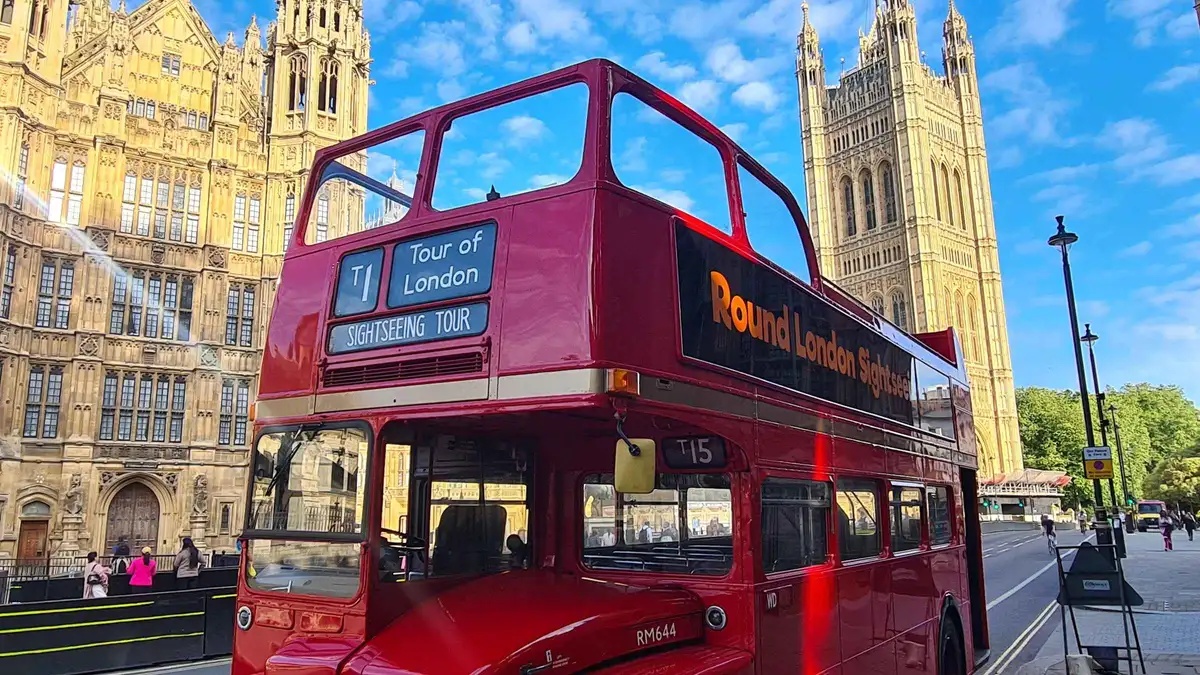 from $25.371960s Routemaster
 London: Guided Sightseeing Tour on a Vintage Open-Top Bus
Ninety minutes on a converted 1960s Routemaster with a guide aboard, which is as much the point as the sights are.
Read the full guide → Check Availability from $26.52Live Guide, Not a Recording
 Panoramic London: 2-Hour Open-Top Bus Tour with Live Guide
Two hours on an open top with a guide talking rather than a headset — Big Ben, Westminster Abbey and the Tower on the loop.
Read the full guide → Check AvailabilityHow London charges you
Pay as you go is the default way to move around London: tap in and out with contactless or Oyster, and TfL calculates the cheapest possible fare for everywhere you travelled that day, automatically. There is no need to work out zones or study a fare chart in advance. The one thing worth knowing before you land is the peak and off-peak split: peak hours run Monday to Friday, excluding public holidays, from 06:30 to 09:30 and again from 16:00 to 19:00.
Every other time, including all day on weekends and public holidays, counts as off-peak. In Zones 1-2, where most short trips happen, this split barely matters because the daily cap is identical either way, but it does affect the single fare charged on a given tap if you're paying journey by journey rather than hitting the cap.
The daily cap
A cap limits how much you pay for all your journeys in one day or week when using contactless or Oyster to pay as you go, and it applies automatically, there's nothing to select or activate. A daily cap is calculated over 24 hours for pay as you go journeys that start at 04:30 and end on 04:29 the next day, so a very late night out still counts toward the same day's cap rather than rolling into a new one at midnight. The table below is TfL's own published cap structure.
- Zones 1-2 daily cap is £8.90 whether you travel at peak or off-peak, which is worth noting since most sightseeing in central London stays inside these two zones
- A weekly cap limits how much you pay for all your journeys in a fixed Monday to Sunday period. It works using adult rate pay as you go on contactless (card or device) or Oyster, that's TfL's own wording, and it directly contradicts the widely repeated claim online that only contactless earns a weekly cap
- The practical point for a short trip: because the weekly cap is a fixed Monday to Sunday window rather than a rolling seven days from your arrival, a two or three day visit almost never travels enough to reach it, on either card
| Zones | Daily cap (peak and off-peak) | Monday-Sunday cap |
|---|---|---|
| Zone 1 only | £8.90 (about $12) | £44.70 (about $60) |
| Zones 1-2 | £8.90 (about $12) | £44.70 (about $60) |
| Zones 1-3 | £10.50 (about $14) | £52.50 (about $71) |
| Zones 1-4 | £12.80 (about $17) | £64.20 (about $87) |
| Zones 1-6 | £16.30 (about $22) | £81.60 (about $110) |
Last verified: August 2026.
Contactless
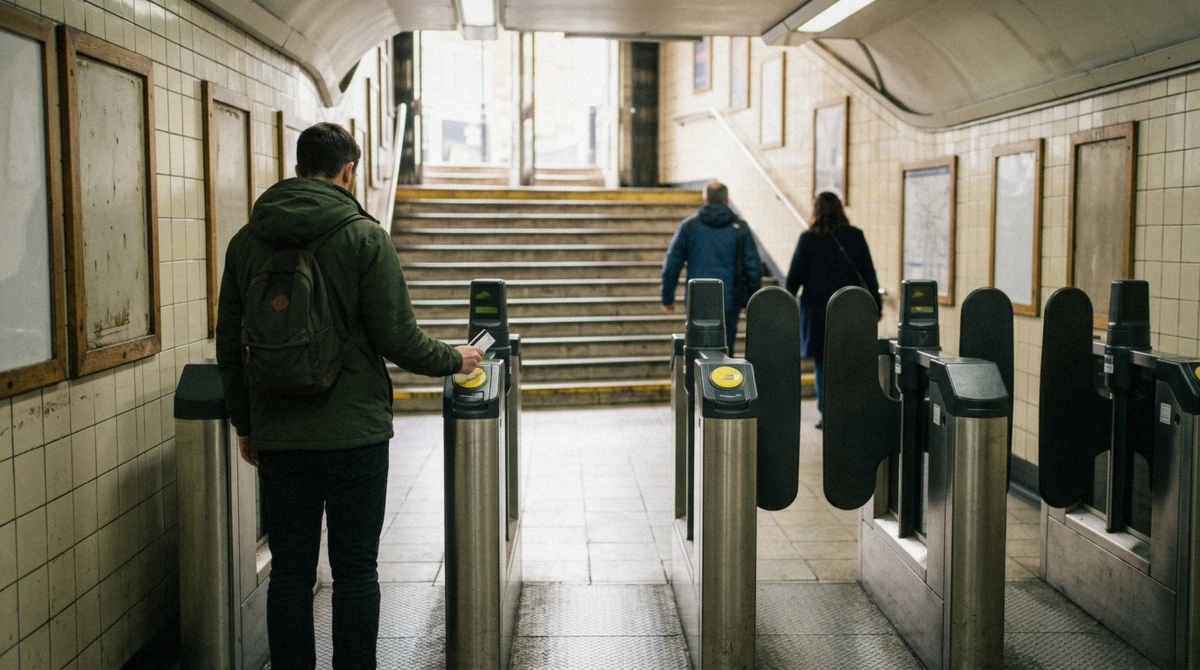
A contactless bank card, or a phone or watch set up for contactless payment, works straight off the plane with nothing to buy or top up. Tap in at the start of a journey and tap out at the end, and TfL applies the cheapest fare and tracks it against your daily and weekly caps automatically. The one rule that trips people up: you must touch in at start and touch out at the end of every journey, using the same contactless card, device or Oyster card, TfL's own wording again.
Switch between your phone and a physical card across a single trip, even accidentally, and the two payment methods are treated as two separate accounts, each capped separately rather than combined. TfL gives its own example of exactly this: if you pay with your phone in the morning and a contactless card for your evening travel, these fares won't count towards a daily cap, which means you could end up paying more than the capped rate simply by switching which card is in your hand.
Oyster card
An Oyster card works exactly like contactless for capping purposes, tap in, tap out, same daily and weekly caps, same automatic cheapest-fare calculation. Where it differs is the upfront step: buying a physical Oyster card involves a one-off, non-refundable fee on top of whatever travel credit you load onto it, which is why contactless is the default recommendation for a short trip, there's simply no separate purchase to make. We're deliberately not printing an exact figure for that fee here: the number that circulates online is stale, and the current published price wasn't something we could confirm directly on tfl.gov.uk during this review, so check TfL's own Oyster page for the current figure before you buy one.
Oyster still makes sense for cash payers without a contactless bank card, for children needing a discounted photocard, or for anyone who would rather not tap a personal bank card at a transport gate. Last verified: August 2026.
Contactless vs Oyster
Contactless
- No purchase or top-up queue, works the moment you land
- Same daily and weekly caps as Oyster
- Refunds and balance are tied to your normal bank account, nothing extra to manage
- Risk: switching between a phone and a card mid-trip splits your fares across two caps
Oyster card
- Requires an upfront non-refundable card fee plus loaded credit
- Same daily and weekly caps as contactless, contrary to the old myth that only contactless gets one
- Useful for cash payers, under-16s needing a discounted photocard, and travellers without a contactless bank card
- One consistent physical card removes any risk of accidentally splitting fares across two payment methods
Verdict For most short visits, contactless wins on convenience with no real cost difference. Choose Oyster only if you're paying in cash, travelling with a child who needs a photocard, or you'd simply rather not tap a bank card, and if you do choose Oyster, use only that one card for the length of your trip.
Travelcard
A paper Day Travelcard is still sold, but for a short central London trip it's rarely the better option. TfL's own published price for the Day Anytime Travelcard covering Zones 1-4 is £16.60 (about $22), which costs almost twice the £8.90 (about $12) daily cap in Zones 1-2, the honest headline being that for a short central-London trip the automatic cap beats the paper Travelcard on price every time. A 7 Day Travelcard for Zones 1-6 runs £81.60, matching the pay-as-you-go weekly cap for the same zones, so there's no saving there either, only the inconvenience of carrying and validating a paper ticket instead of tapping the card you already own.
The exact zone coverage of every Travelcard variant sold by National Rail wasn't confirmed during this review, so treat the TfL-published prices above as the reliable figures and check National Rail directly for anything beyond them. Last verified: August 2026.
Travelcard against the cap, side by side
The comparison that decides it for a short central trip. Pounds convert at £1 to $1.35, the European Central Bank rate on 14 August 2026.
| What you buy | Price | Covers | Worth it when |
|---|---|---|---|
| Nothing, just tap | £8.90 a day (about $12) | Zones 1 and 2, Tube, bus, Overground, Elizabeth line | Almost every two-day central trip |
| Day Anytime Travelcard, zones 1-4 | £16.60 (about $22) | Zones 1 to 4 all day | You are travelling well outside the centre and want paper |
| Day Anytime Travelcard, zones 1-6 | £23.60 (about $32) | Zones 1 to 6 all day | An airport day plus heavy zone 5 and 6 travel |
| Weekly cap, zones 1-2 | £44.70 (about $60) | A fixed Monday to Sunday week | A stay of five or more travelling days inside one calendar week |
Last verified
Fares and caps above come from the fares document Transport for London publishes for 2026. Last verified: August 2026.
Buses
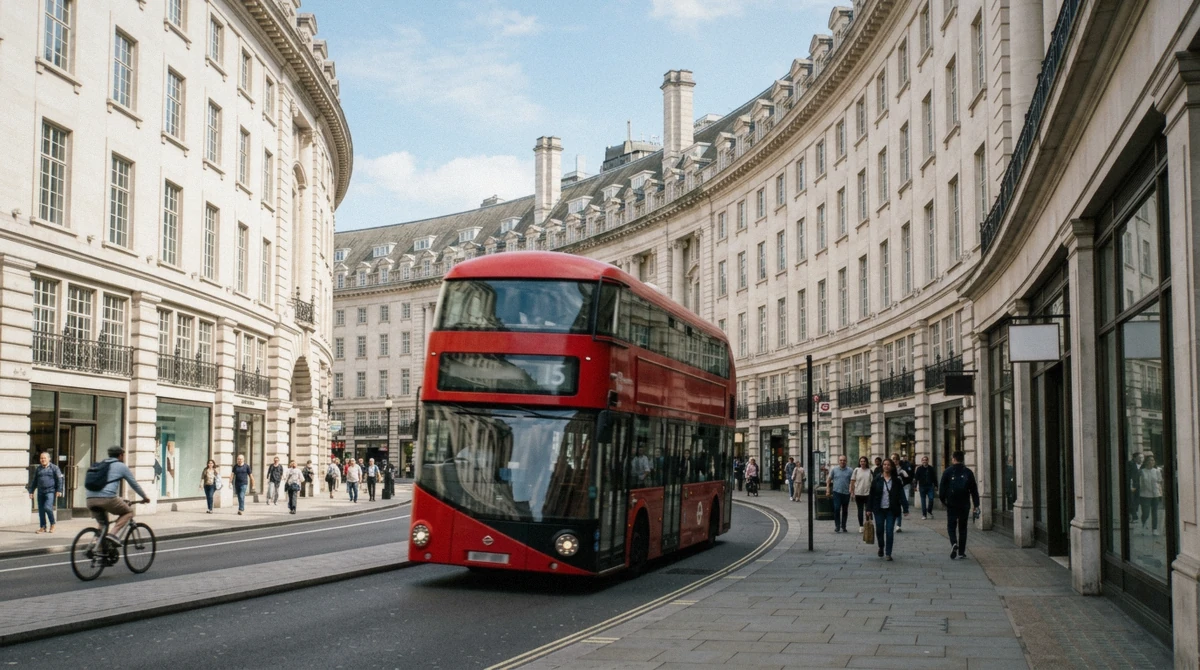
Bus and tram fares run on their own simpler system: a single fare is £1.75 (about $2.36), and it's capped at £5.25 (about $7) a day regardless of how many buses or trams you ride. You never touch out on a bus, only in, so there's nothing to forget at the far end. The Hopper fare adds unlimited bus and tram transfers within one hour of touching in for the first time, for the price of one single fare, which makes short hops between two buses effectively free if you're moving quickly between stops.
One London ride is worth paying for outside the cap even so: the riverboat down to Greenwich is a separate ticket and not covered by it, which is exactly why it feels like sightseeing rather than commuting. We break the route down in our guide to the Westminster to Greenwich river cruise.
Mistakes that cost money
A handful of habits account for most of the extra money visitors pay without meaning to.
- Forgetting to touch out at the end of a journey, which usually charges the maximum possible fare for that line
- Switching between a phone and a physical contactless card mid-trip, splitting your fares across two separate caps instead of one
- Mixing an Oyster card and a contactless card across the same day for the same reason
- Assuming Heathrow Express or a National Rail high-speed service is covered by the daily cap, when TfL's own fare rules exclude them
- Buying a paper Day Travelcard out of habit when the automatic pay-as-you-go cap is cheaper for the same zones
- Not realising bus and tram fares run on a separate cap from Tube and rail fares, so a heavy bus day doesn't quietly eat into your £8.90 Tube cap
Which to choose
If you're arriving with a normal contactless bank card or a phone already set up to tap and pay, use it and don't overthink the rest: the cap does the work for you, at exactly the same rate Oyster would give you. Pick a single card or device for the whole trip and stick with it, since the one real risk on either system is accidentally splitting your fares across two payment methods and paying more than the capped rate as a result. Oyster remains the right call for cash payers, for children who need a discounted fare, and for anyone who'd simply rather keep transport payments off their main bank card.
- Solo or couple, short trip, normal bank card in hand: use contactless, don't buy an Oyster card
- Travelling with children needing discounted fares, or paying mostly in cash: buy an Oyster card and stick to it
- Heavy Tube day plus a river cruise or an open-top bus tour: pay those separately, they aren't part of the Tube cap either way
However you pay, the airport leg on the first morning of your trip behaves a little differently, since Heathrow journeys are charged at peak fares around the clock and Heathrow Express sits outside the caps altogether. We cover that in full in our Heathrow and Gatwick transfer guide. For how the rest of a short visit adds up once transport, tickets and food are all in the picture, see what a London trip actually costs. And for the route this whole payment question sits inside, see our hour by hour London route.
Once the payment question is settled, the two things that actually move a short London budget are the gate prices and the free collections. Both sit in our guides to what a short London trip costs and which London museums are free, and if you would rather see the city from the top deck than underground, the open-top bus routes cover the same ground above the pavement.
Which one to use, in one line
If You are visiting for two or three days and carry a contactless bank card or a phone wallet
Tap that, and only that. Nothing to buy, nothing to top up, nothing to refund at the end.
If Your card is not contactless, or your bank charges a fee on every foreign transaction
Buy an Oyster card at any station machine. The fares and the caps are identical, and one card fee beats a fee on every tap.
If You are travelling as a family and want one payment for everyone
Each traveller needs their own card or device. A card cannot be shared through the gates, so budget one per person.
If You have a UK Railcard
Load it onto an Oyster card at a station. Contactless cannot carry a Railcard discount, and this is the one case where Oyster genuinely wins on price.
If You are staying a full Monday to Sunday week and travelling every day
Keep tapping and let the £44.70 weekly cap do the work, or price a 7 Day Travelcard against it before you buy either.
Is contactless or an Oyster card better for a short London trip?
Contactless, for most visitors: it caps at the same rate as Oyster with no card to buy or top up. Oyster still suits cash payers, children needing a photocard, or anyone who'd rather not tap a bank card at the gate.
How much is the daily cap in London?
£8.90 (about $12) for Zones 1-2, rising to £16.30 (about $22) for Zones 1-6, the same figure whether you tap contactless or Oyster.
Do you need to touch out on the bus in London?
No. Buses and trams only require a touch in; the £1.75 single fare and £5.25 daily cap apply automatically without a touch out at the other end.
Is a Travelcard worth buying for two days in London?
Rarely. The Day Anytime Travelcard for Zones 1-4 costs £16.60, almost double the £8.90 Zones 1-2 daily cap that pay-as-you-go already gives you automatically.
What happens if you forget to touch out?
The system usually charges the maximum possible fare for that line as a safeguard, since it has no record of where your journey ended. Touching out reliably is the single easiest way to avoid overpaying.
Can two people share one Oyster card?
No. Each traveller needs to touch in and out individually, so sharing one card just means the second person hasn't paid, which risks a penalty fare if checked.