How Much Does a Trip to London Cost? 2026 Prices
A short London trip has no single honest price tag, because transport and attractions are fully knowable from official figures while food and a bed are not, but the costs that can be verified add up to somewhere between about £45 (about $61) a day at the bare minimum and close to £100 (about $135) a day once two paid landmarks and a guided walk are on the itinerary. How much does a trip to London cost is really two separate questions: what does the city itself charge you at the gate and on the train, and what will you choose to spend on food and a room, and only the first half has a real published number behind it. This guide breaks a two night city break into what can actually be sourced: Transport for London's own fare caps, each major attraction's own published gate price, and the live prices of the tours listed on this site, then builds three honest daily budgets, a budget day, a middle day and a comfortable day, from those real figures only. Where a number simply isn't published anywhere reliable, a typical hotel rate or a typical dinner bill, we say so plainly rather than inventing one, and point you toward what you can check yourself before you book. Each pound figure carries its dollar equivalent the first time it appears, using the European Central Bank reference rate of £1 = $1.35 from 14 August 2026.

Quick answer
The identifiable costs of a London day, transport plus gate tickets plus a guided tour, range from roughly £14 (about $19) on the cheapest possible day to close to £100 (about $135) on a day with two paid landmarks and a proper guided walk, as of August 2026. Food and a bed sit outside that range entirely because neither has a single trustworthy published figure, so this guide prices only what TfL, the attractions and the tour operators themselves publish, and is explicit about the two things it will not guess at.
Key takeaways
- Transport caps at £8.90 (about $12) a day in zones 1-2, no matter how many tube, DLR or bus rides you take on top of it.
- The three most-visited paid landmarks, the Tower of London, Westminster Abbey and the Churchill War Rooms, add roughly £68 to £98 (about $92 to $132) at the gate if you visit all three.
- The cheapest way to see the sights is a tip-based walking tour paired with the free national museums, which cost nothing to enter.
- Food and a bed have no single trustworthy published average, so this guide prices only what can be sourced and flags the rest plainly rather than guessing.
- See how these numbers map onto the London route we plan hour by hour before you build your own days around them.
What a Day in London Costs
The Three-Tier Daily Breakdown
The table below adds up what a single day genuinely costs at three spending levels, using only figures that TfL, the venues and the tour listings publish themselves. Food and drink have no fixed cell because neither has a single reliable published average, a point this guide comes back to below rather than papering over with a guessed number.
| Cost category | Budget traveller | Middle-of-the-road | Comfortable traveller |
|---|---|---|---|
| Transport (TfL daily cap) | £5.25 (about $7), bus and tram only | £8.90 (about $12), zones 1-2 cap | £10.50 (about $14), zones 1-3 cap |
| Attractions (gate price) | £0, free national museums only | one paid ticket, about £29.75 to £31 (about $40 to $42) | two paid tickets, about £68 (about $92) for the Tower of London and Westminster Abbey |
| Food and drink | priced at the counter, no fixed published figure | priced at the counter, no fixed published figure | priced at the counter, no fixed published figure |
| Guided tours | $6.76, tip-based walking tour | $23.27, Thames river cruise | $25.71, guided sightseeing walk |
What the Gate Actually Charges
This second table is the raw gate-price reference for every attraction that comes up in a London budget conversation, straight from each venue's own published adult price. Westminster Abbey and St Paul's Cathedral both run reduced summer pricing between 25 June and 1 September, which is the one seasonal price swing on this list that is actually confirmed rather than assumed. Last verified: August 2026.
| Attraction | Adult price | Note |
|---|---|---|
| Tower of London | £37.00 (about $50) | child 5-15 £18.50, prices exclude the optional donation |
| Westminster Abbey | £31 (about $42) standard | £27.13 (about $37) between 25 June and 1 September 2026 |
| St Paul's Cathedral | £27 (about $36) standard | £24 (about $32) between 25 June and 1 September 2026 |
| Churchill War Rooms | from £29.75 (about $40) | sold as an advance-booking ticket, price varies by date |
| London Eye | £29 (about $39) standard online | operator states prices vary with demand and capacity |
| Buckingham Palace State Rooms | £33 (about $45), adult 25+ | 2026 season runs 9 July to 27 September only |
| Tower Bridge Exhibition | up to £16 (about $22) | listed price, walkway and engine rooms |
| Sky Garden | free | a timed slot must still be booked in advance |
| British Museum, National Gallery, Natural History Museum, V&A, Science Museum, Tate Modern, Tate Britain | free entry | general admission costs nothing; see our free museums guide for what still charges |
Transport
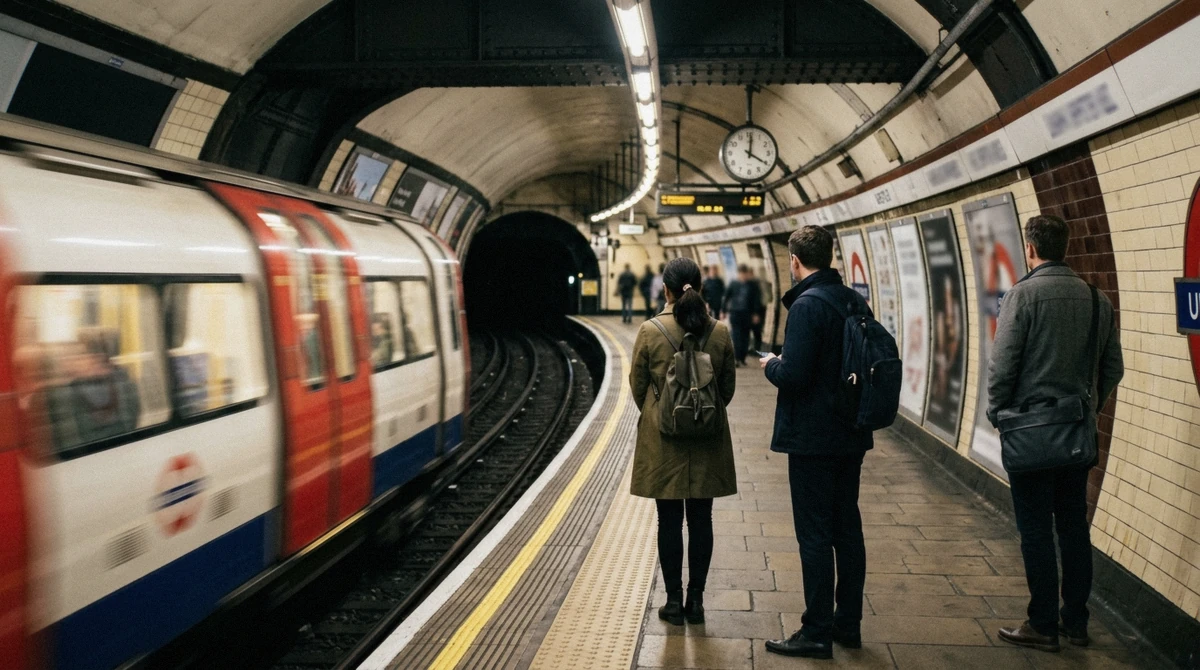
Transport for London runs on a capping system rather than a per-ticket price, and it is the single most predictable line item in a London budget. Pay as you go with contactless or Oyster in zones 1-2 and you will never pay more than £8.90 (about $12) in a day, whatever combination of tube, DLR, Elizabeth line, Overground or bus journeys you take. A bus or tram single fare is £1.75 (about $2.36) on its own, but the bus and tram daily cap is £5.25 (about $7), and the hopper fare lets you change buses as many times as you like within one hour of first touching in for the price of one single fare. If your day stretches to zones 1-3, the cap rises to £10.50 (about $14), and out to zones 1-6 it is £16.30 (about $22).
The cap resets on a fixed schedule: a daily cap is calculated over 24 hours starting at 04:30 and ending at 04:29 the next day, and a weekly cap covers a fixed Monday to Sunday period, working on contactless or Oyster equally, not contactless alone as some sites still claim. A two day trip almost never reaches the weekly cap, so the daily figure is the one to plan around. The one rule that trips up more visitors than the fare itself: you must touch in and out with the same card, phone or Oyster card every time, because mixing a phone in the morning and a card in the evening splits your fares across two accounts and neither one reaches its cap. The full mechanics of contactless versus Oyster, including how to set either one up before you land, live on our payment guide, which is worth reading before your first journey rather than after. Last verified: August 2026.
Attractions
Attractions split cleanly into two groups: the national museums, which cost nothing to enter, and a short list of paid landmarks with real gate prices, shown in the table above. If your itinerary is built around the Tower of London, Westminster Abbey and the Churchill War Rooms, the gate total runs to roughly £97.75 (about $132), which is the honest starting number for anyone budgeting a history-heavy two days. Add the London Eye instead of one of those three and the total shifts to about £97 (about $131), close enough that the choice comes down to what you actually want to see rather than which is cheaper.
A Thames cruise from Westminster to Greenwich is worth weighing against a gate ticket rather than filing under sightseeing extras: it covers more of the skyline than most single attractions for one ticket price, and it counts against the guided-tours row of the table above, not the attractions row. Whether a multi-attraction pass actually saves money against paying at each gate is its own piece of arithmetic, covered in full on our pass value guide, because the honest answer depends entirely on how many paid gates you plan to walk through.
Tours That Fit a Short London Budget
These three sit at genuinely different price points, from a tip-based walk to a guided sightseeing route, so you can match one to whichever tier of the table above you are planning around.
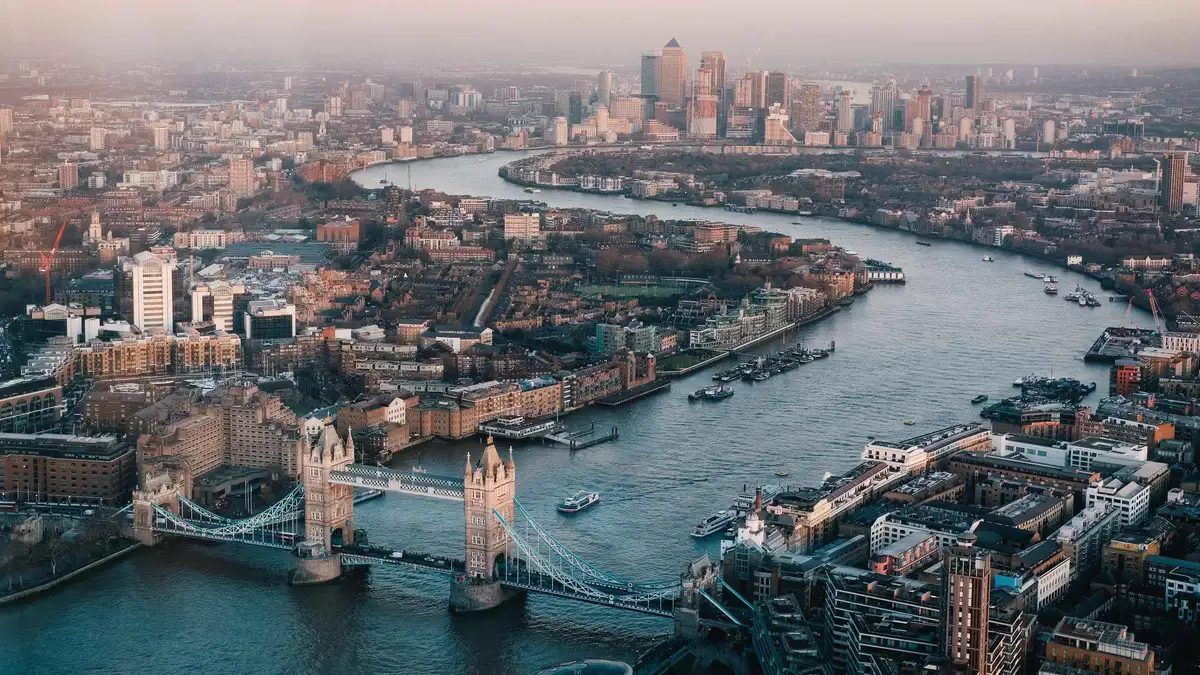 from $6.76Cheapest — From $7
 London: Top Attractions and City Highlights Walking Tour
Two hours past Buckingham Palace, Westminster Abbey, Big Ben and Parliament for the price of a coffee. The cheapest listing on this page.
Read the full guide → Check Availability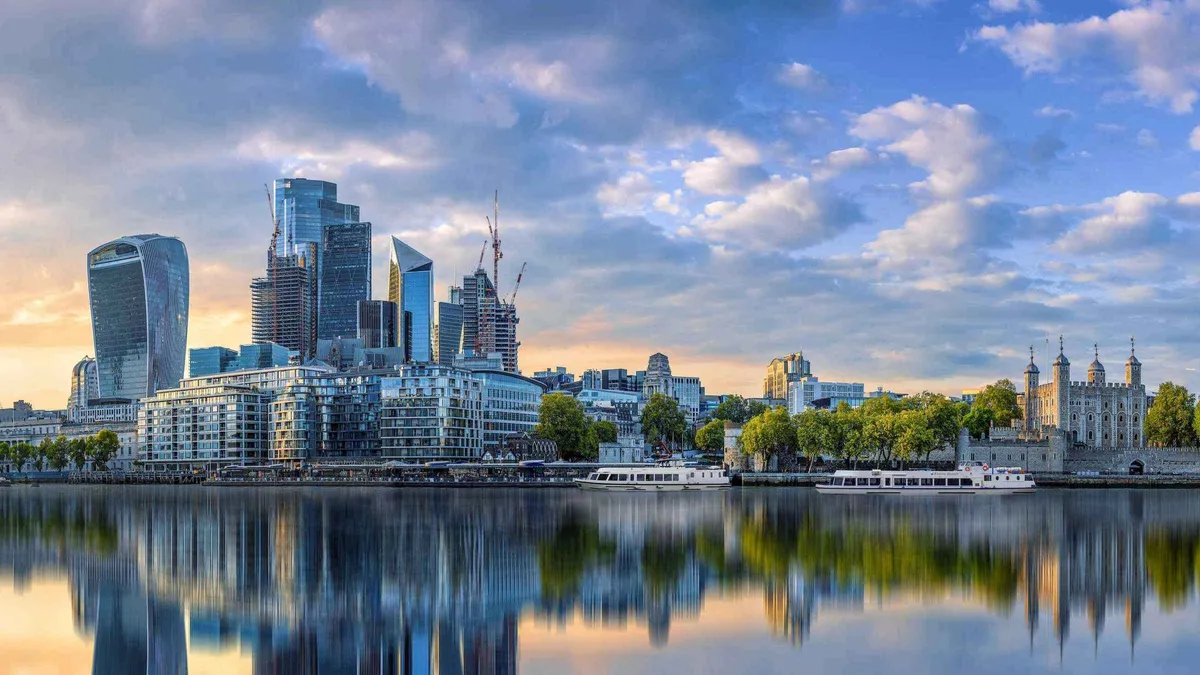 from $23.27Thames Cruise — One Way or Return
 London: Westminster to Greenwich River Thames Cruise
Westminster to Greenwich by river with downloadable audio commentary, one way or return. One to two hours depending on the boat.
Read the full guide → Check Availability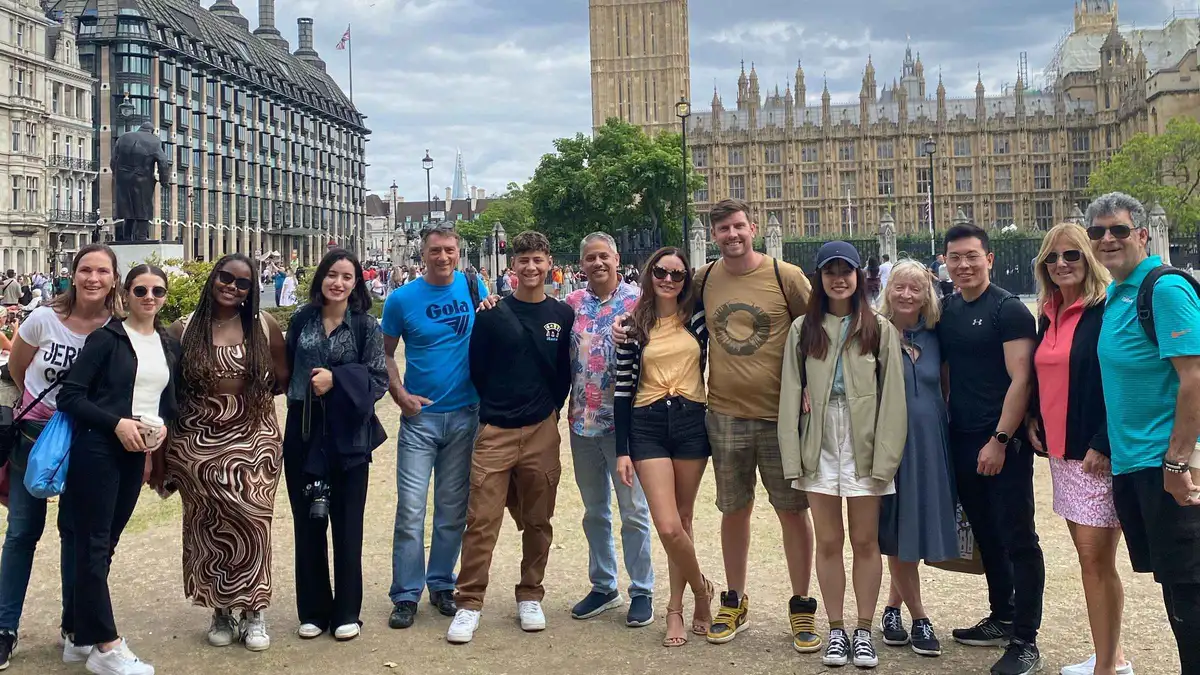 from $25.71Best Rated Long Walk — 4.9★
 London: London Sightseeing Walking Tour with 30+ Sights
Five hours and thirty-plus landmarks at well under half the price of the comparable walk above, rated 4.9 across 182 reviews.
Read the full guide → Check AvailabilityFood
Food is the category this guide will not put a number on, and that is a deliberate choice rather than an oversight. Menu prices in central London move by neighbourhood, by season and by whether you sit down or eat standing up, and every average that circulates online is either years out of date or was never sourced from anything more solid than a guess. What can be said honestly: a market stall lunch, a supermarket meal deal and a sit-down dinner near a major attraction occupy three very different price brackets, and the gap between the cheapest and the most expensive version of "lunch in London" is larger than almost any other line in a travel budget.
Rather than inventing a per-meal figure, the practical move is to treat food as a choice you make fresh each day rather than a fixed cost you plan around in advance. Markets like Borough Market let you build a meal from several cheap plates rather than committing to one restaurant bill, supermarkets are genuinely useful for breakfast and snacks, and the areas around free museums tend to have a wider spread of price points than the streets immediately outside paid, ticket-only attractions. If a number matters more to you than the honesty of not printing one, the only reliable source is the menu on the door of wherever you are about to eat, checked in the moment rather than trusted from a blog post.
Where the Money Goes
Adding the sourced figures together, rather than a food or accommodation guess, gives a real sense of where a London day's identifiable spending actually lands. A budget day, the £8.90 zones 1-2 transport cap, a free museum morning and the tip-based walking tour, comes to roughly £14 to £15 (about $19 to $20) before food. A middle day, the same transport cap, one paid landmark around £29.75 to £31 (about $40 to $42) and the river cruise at $23.27, lands closer to £55 to £57 (about $74 to $77) before food. A comfortable day, the wider zones 1-3 transport cap, two paid landmarks totalling about £68 (about $92) and a guided walking tour at $25.71, comes to roughly £97 to £98 (about $131 to $132) before food.
The honest gap between those three numbers is almost entirely driven by how many gate tickets you buy, not by transport, which barely moves, or by the tour you add, which is the smallest line in every version. If a two night trip is starting to feel expensive on paper, the attraction count is the lever to pull first, not the tube.
The Budget Version
A budget day starts with a contactless card or phone set up before you land, so the £8.90 zones 1-2 cap, or the £5.25 bus-only cap if you are staying close to your accommodation, takes care of itself without a second thought. The morning goes to one of the free national museums, the British Museum or the National Gallery are the two busiest and both cost nothing to enter, and the afternoon is a tip-based walking tour past the big landmarks from the outside rather than a paid ticket into any one of them. Lunch comes from a market stall or a supermarket meal deal rather than a sit-down restaurant, which is the single biggest lever a budget traveller has over their own day.
Two days run this way keep the identifiable, non-food cost of the trip under roughly £30 (about $41) total, transport and tour combined, with every paid gate ticket left out entirely.
The Comfortable Version
A comfortable day widens the transport cap to zones 1-3 if the day includes Greenwich or a river cruise return, and commits to two paid gate tickets rather than one, typically the Tower of London and Westminster Abbey, which together run to about £68 (about $92) before any add-ons. The afternoon adds a proper guided walking tour rather than a self-guided route, and the day allows for a sit-down meal rather than a stall lunch, priced at whatever the menu says on the day. None of that is extravagant, it simply removes the friction of queueing without a timed ticket, walking past a landmark instead of going inside it, and eating standing up because a table wasn't part of the plan.
Two days at this level land the identifiable, non-food cost somewhere around £190 to £200 (about $257 to $270) total across transport, gate tickets and tours.
Our recommendation
Budget or Comfortable: Which Fits You
If you're counting every pound and are happy to see the big landmarks from the outside
plan on the budget tier: the £8.90 transport cap, free museum mornings and a tip-based walking tour for structure, no paid gate tickets
If the Tower of London, Westminster Abbey or the Churchill War Rooms are the actual reason you're coming
budget the gate price of each in full, they run from about £29.75 to £37 (about $40 to $50), and treat the free museums as the days without a booked slot
If you want two paid landmarks and a guided afternoon without tracking every receipt
plan on the comfortable tier: the zones 1-3 transport cap, two gate tickets around £68 (about $92) together, and a proper guided walk
If you're travelling with children under the free-entry age at most museums and paid attractions
check each venue's own child pricing before you book, since it varies attraction by attraction and is never the adult price simply halved
What to Book Before You Fly
The Pre-Flight Checklist
A short trip has no slack for a sold-out timed slot on the one morning you had planned around it. This is the order to work through before you leave home.
- Set up contactless payment on your card or phone, or plan where to buy an Oyster card, before your first tube journey
- Book a free timed entry ticket for the British Museum if you want priority entry during busy periods
- Book Tower of London tickets for a specific morning slot if it's on your itinerary, since it regularly sells out days ahead
- Book Westminster Abbey and Churchill War Rooms slots separately, they are not covered by the same ticket or pass
- Decide whether a multi-attraction pass genuinely pays off for your list before buying one, using the real arithmetic on our pass guide
- Book any evening walking tour in advance if it's a themed one, since group sizes are capped
- Check Buckingham Palace's opening dates if a State Rooms visit is part of the plan, the 2026 season is 9 July to 27 September only
- Leave food and accommodation unbooked as a fixed cost, and instead set a daily ceiling you're comfortable spending fresh each day
None of the numbers above are the final word on what your own two days will cost, because the two biggest variables, food and a bed, are yours to choose rather than anyone's to publish. What can be said with confidence is that the transport, the gate tickets and the guided tours are all knowable in advance, and building a budget around what's actually knowable beats trusting a single averaged figure that never matches what you see at checkout.
How much does a trip to London cost per person?
The identifiable part, transport, attractions and tours, runs from around £14 to £15 (about $19 to $20) a day on the cheapest realistic plan to close to £100 (about $135) a day with two paid landmarks and a guided walk. Food and a bed are on top of that and depend entirely on your own choices, not a published average.
How much should you budget per day in London?
Start from the £8.90 (about $12) transport cap in zones 1-2, add whichever paid attractions are actually on your list from the gate-price table above, and add a tour if one interests you. That total, plus whatever you decide to spend on food and a bed, is your real daily figure.
What is the cheapest way to see London?
A tip-based walking tour combined with the free national museums. Entry to the British Museum, the National Gallery, the Natural History Museum and several others costs nothing, and the walking tour asks only what you feel the guide earned.
How much is food in London per day?
There is no single reliable published figure for this, and any post that gives you one is guessing. Menu prices vary hugely by neighbourhood and by whether you sit down or eat from a stall, so budget it as a choice made fresh each day rather than a fixed line item.
How much does transport cost in London per day?
£8.90 (about $12) at most in zones 1-2, whatever combination of tube, bus or DLR journeys you take, thanks to TfL's daily capping system. The bus-and-tram-only cap is lower still, at £5.25 (about $7).
Is London cheaper in winter?
For accommodation and food there's no verified seasonal pricing data to confirm either way. For two specific attractions the opposite of the usual assumption is actually true: Westminster Abbey and St Paul's Cathedral both charge a reduced summer price between 25 June and 1 September, which is the one confirmed seasonal price swing in this guide.